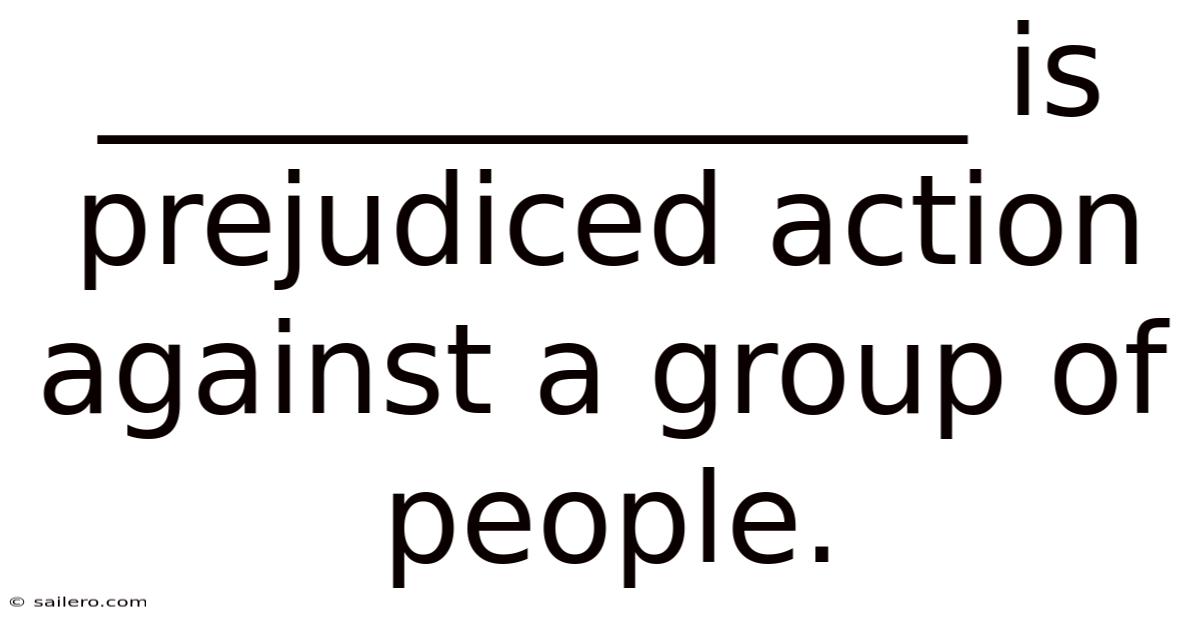
Understanding prejudice and its impact is essential for fostering a more inclusive and compassionate society. When we talk about prejudiced actions, we refer to behaviors or decisions that stem from biased beliefs or stereotypes, often leading to harm or discrimination against certain groups of people. These actions can manifest in various forms, from subtle microaggressions to overt discrimination, and they have far-reaching consequences for individuals and communities. This article explores what prejudiced actions are, why they matter, and how we can address them effectively.
Prejudiced actions are not just personal judgments—they shape environments, influence relationships, and reinforce systemic inequalities. These behaviors often arise from a lack of understanding, fear, or misinformation about a group of people. For example, someone might make assumptions about someone’s abilities, behavior, or character based solely on their race, gender, religion, or ethnicity. Such assumptions can lead to exclusion, unfair treatment, or even violence. It is crucial to recognize that prejudice is not a neutral act; it has the power to damage lives and erode trust.
One of the most common forms of prejudiced action is discrimination. This occurs when individuals or institutions treat people differently based on their group membership. Discrimination can be explicit, such as verbal abuse or physical harm, or implicit, like biased hiring practices or unequal access to opportunities. For instance, a workplace that consistently hires only candidates from a specific background demonstrates prejudice through its policies. Such actions not only harm the affected individuals but also create a hostile environment for others.
Another significant aspect of prejudiced actions is stereotyping. This involves generalizing or oversimplifying characteristics of a group to the point of inaccuracy. Stereotypes can lead to misunderstandings and reinforce negative perceptions. For example, assuming that all members of a certain ethnicity are poor or uneducated is a harmful stereotype that ignores individual differences. These beliefs can influence how people are treated in social, educational, and professional settings, perpetuating cycles of inequality.
Prejudiced actions also play a role in shaping public perception. When media, education systems, or social networks spread biased narratives, they reinforce prejudices. For example, portraying certain groups in a negative light in movies or news stories can normalize discrimination. Over time, these narratives shape societal attitudes, making it harder for people to challenge unfair practices. This highlights the importance of critical thinking and media literacy in combating prejudice.
To address prejudiced actions effectively, it is essential to understand their root causes. Many people hold biases due to limited exposure to diverse perspectives or a lack of empathy. Education and open dialogue can help bridge these gaps. By learning about different cultures, histories, and experiences, individuals can develop a deeper appreciation for others. This process not only reduces prejudice but also fosters a sense of shared humanity.
Implementing practical steps is also crucial. Educating oneself about the impact of prejudice is the first step. This includes studying the histories of marginalized groups, understanding systemic inequalities, and recognizing the value of diversity. Engaging in conversations with people from different backgrounds can also challenge assumptions and build empathy. Additionally, advocating for inclusive policies in workplaces, schools, and communities can create environments where prejudice is less likely to thrive.
Another important action is challenging biased behavior when you encounter it. If you witness someone making a discriminatory comment or act, speaking up can make a difference. This might involve addressing the issue directly, supporting the affected individual, or raising awareness about the harm caused. Even small acts of resistance can contribute to a larger movement against prejudice.
It is also vital to recognize the role of systemic change. Prejudiced actions often reflect broader societal issues, such as economic inequality, political polarization, or cultural biases. Addressing these requires collective effort, including policy reforms, community initiatives, and a commitment to equity. By supporting organizations that promote justice and inclusion, individuals can contribute to long-term change.
Understanding the consequences of prejudiced actions is equally important. These actions can lead to mental health struggles, social isolation, and even physical harm. For example, victims of discrimination may experience anxiety, depression, or low self-esteem. On a larger scale, prejudice undermines social cohesion, making it harder for communities to work together toward common goals. Therefore, addressing prejudice is not just a moral obligation but a practical necessity for a healthier society.
In conclusion, prejudiced actions against a group of people are a serious issue that affects individuals and communities alike. By recognizing the signs of prejudice, understanding its causes, and taking proactive steps to challenge it, we can create a more equitable world. Education, empathy, and collective action are the keys to breaking down barriers and fostering respect. Let us strive to be mindful of our words and actions, ensuring that every person is treated with dignity and fairness. Through these efforts, we can move closer to a future where prejudice has no place.
…Ultimately, combating prejudice demands a sustained and multifaceted approach – a continuous process of learning, reflection, and action. It’s not a problem with a simple solution, but rather a persistent challenge requiring vigilance and a willingness to confront uncomfortable truths. The journey towards a truly inclusive society necessitates dismantling ingrained biases, both conscious and unconscious, and actively cultivating a culture of understanding and acceptance.
Furthermore, recognizing the nuances within diverse communities themselves is paramount. Prejudice rarely manifests in a monolithic way; it’s often layered and intersects with other forms of discrimination based on factors like race, gender, religion, and socioeconomic status. Therefore, genuine allyship involves listening to and amplifying the voices of those most directly impacted by prejudice, rather than imposing solutions from an external perspective.
Moving beyond individual actions, fostering institutional accountability is crucial. This means demanding transparency and fairness from organizations and governments, holding them responsible for addressing systemic inequalities and promoting equitable practices. Supporting legislation that protects marginalized groups and combats discrimination is a vital component of this effort.
Finally, cultivating a sense of hope and optimism is essential. While the task of eradicating prejudice may seem daunting, the potential for positive change is undeniable. By embracing empathy, promoting dialogue, and committing to ongoing action, we can build a world where differences are celebrated, and every individual is valued for their unique contributions. Let us remember that progress is rarely linear, but with persistent dedication and a shared commitment to justice, we can steadily move towards a future defined by respect, equality, and genuine human connection.
Building on this foundation, it is essential to highlight how grassroots movements have historically played a pivotal role in challenging prejudice and reshaping societal norms. From local advocacy groups to global campaigns, communities have demonstrated the power of collective voices to demand change. By amplifying these efforts and supporting individuals who stand up against injustice, we reinforce the importance of solidarity in the face of adversity.
Moreover, technology and social media have become powerful tools in this ongoing struggle. They enable marginalized voices to reach wider audiences, fostering awareness and mobilizing support for causes that might otherwise remain invisible. However, this digital landscape also presents challenges, such as the spread of misinformation or the amplification of harmful stereotypes. Navigating these complexities requires critical thinking and a commitment to verifying sources, ensuring that online spaces contribute positively to the fight against prejudice.
Education remains a cornerstone in this endeavor, as it equips future generations with the knowledge and tools to recognize and counteract biased perspectives. Integrating inclusive curricula, promoting cultural competence, and encouraging open discussions about diversity can help dismantle long-standing assumptions. It is through these educational initiatives that empathy is nurtured and understanding is deepened.
In addition, fostering personal relationships across differences can bridge divides that prejudice attempts to exploit. When individuals engage with people from varied backgrounds, they gain firsthand insights into the human experiences that shape identities. These interactions not only challenge stereotypes but also cultivate compassion, creating a ripple effect that strengthens community bonds.
Ultimately, the path forward requires patience and resilience. Progress may be incremental, but each small step toward inclusivity contributes to a larger movement. By staying informed, advocating for equity, and embracing diversity, we lay the groundwork for a society where prejudice no longer defines who we are.
In conclusion, the journey to overcoming prejudice is both challenging and profoundly rewarding. It demands a collective commitment to understanding, courage, and continuous growth. By fostering environments rooted in respect and equity, we empower individuals to thrive and contribute meaningfully to a shared future. Let us remain steadfast in our efforts, recognizing that every effort, no matter how incremental, brings us closer to a world where fairness and dignity are universal values.
